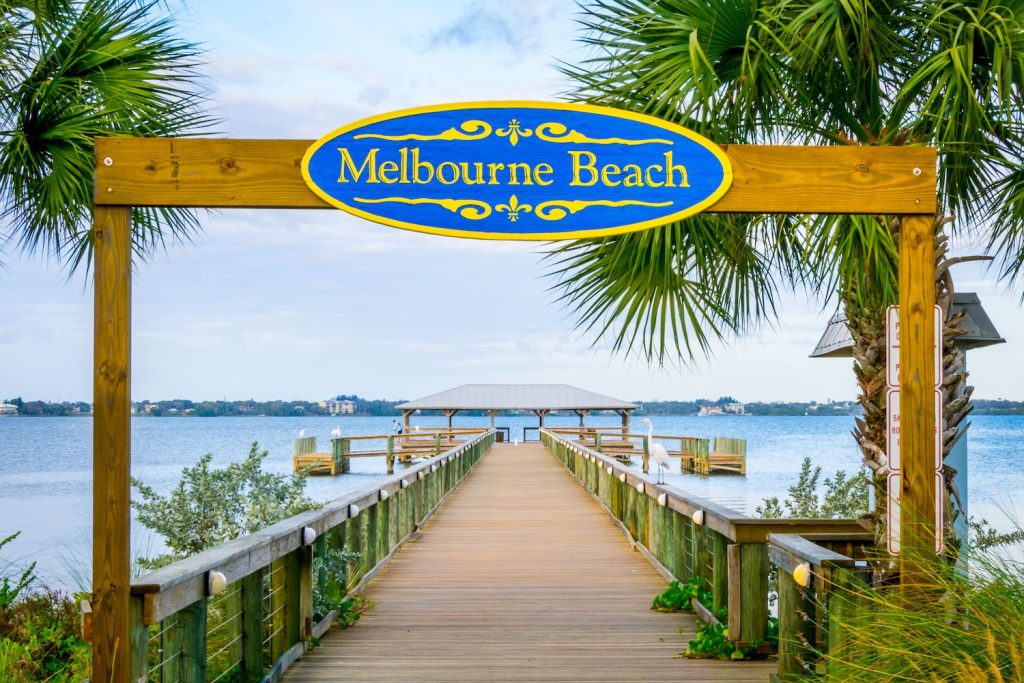
Melbourne does not announce itself the way some Florida cities do. There is no single landmark that defines it, and no one thing people say when they explain why they moved here. What they find instead is a city that holds together well: coastal access without the tourist crowds, a downtown with real history behind it, and an economy substantial enough to draw professionals from across the country.
It sits about 70 miles southeast of Orlando on Florida’s central Atlantic coast, with the Indian River Lagoon to the west and the ocean to the east. That geography gives residents something genuinely useful, which is closeness to both the water and the interstate. Daily life here is more flexible than in places that make you commit entirely to one or the other.
I have helped a lot of families move here, and the ones who settle in fastest are the ones who knew what they were choosing before they arrived. So here is what living in Melbourne actually looks like.
What draws people here
Aerospace and defense is the most consistent reason people relocate to Melbourne. L3Harris Technologies and Northrop Grumman both have a significant presence, and the wider network of contractors tied to Kennedy Space Center and Patrick Space Force Base has built a professional employment base that is unusual for a coastal Florida city of this size. Florida Institute of Technology adds a research and academic layer, bringing faculty and graduate students into the area every year. Health First, the region’s largest healthcare network, is another major employer across Brevard County.
For people who are not tied to a particular employer, the reasons tend to be simpler. The beaches here are less crowded than those further north. The cost of living is easier than comparable coastal cities in South Florida. And Florida has no state income tax, which matters to anyone arriving from a high-tax state.
The climate, and what hurricane season really means
Melbourne has a subtropical climate: mild winters, warm springs, and hot, humid summers. Winter temperatures usually sit in the 60s and 70s, which is why so much of life here happens outdoors between November and March.
Hurricane season runs from June through November, and it is worth understanding rather than worrying about. Local infrastructure is built for it and most residents have a routine. If you are new to it, the practical steps are covered in my guide to hurricane preparedness for Brevard County homeowners, and most of it is one afternoon of work you only do once.
Two downtowns, and daily life between them
Melbourne has two distinct downtowns, and knowing the difference helps. Historic Downtown Melbourne runs along the waterfront with independent restaurants, local shops and a walkable streetscape that shows the city’s age in the best way. The Eau Gallie Arts District, at the northern end along the Indian River Lagoon, is a different experience: murals across building walls, galleries, and art walks on First Fridays. Neither feels manufactured, which is rarer than it should be.
Locals start the day with an acai bowl at Surfinista. On weekends a lot of the city ends up at Wickham Park, 390 acres that host food truck rallies, festivals and car shows through the year. Most people drive. Interstate 95 runs along the western edge of the city, U.S. 1 sits closer to the coast, and Wickham Road and State Road 192 connect the rest of the county. Melbourne Orlando International handles regional flights without the scale of Orlando International.
Schools
Brevard Public Schools serve the area and include several schools known for strong academics and extracurricular programs. Melbourne is also home to private and charter options, including Holy Trinity Episcopal Academy, which runs a college preparatory program.
For higher education, Florida Institute of Technology is a nationally recognized university with real strength in engineering and the sciences, and Eastern Florida State College covers career training and transfer pathways. That combination is part of why the professional base here holds up.
Beaches and the outdoors
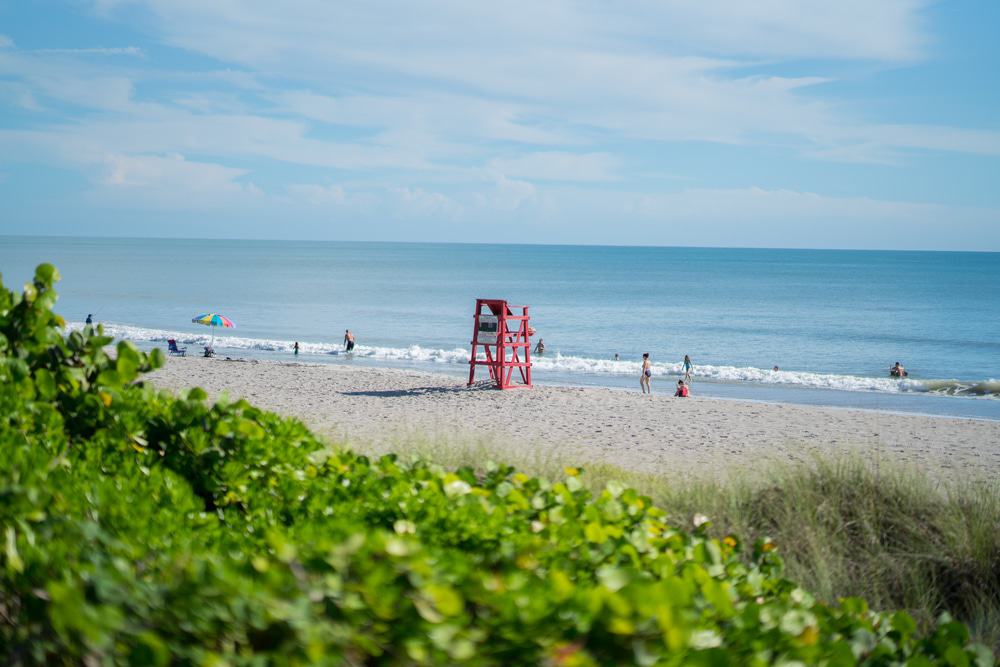
The beaches near Melbourne are some of the least crowded in Florida. Canova Beach is a local favorite and one of the few in the area where dogs are welcome, which makes it busier on weekend mornings than anywhere else on this stretch of coast.

Beyond the sand, the Indian River Lagoon supports kayaking, fishing and boating, and Sebastian Inlet to the south draws surfers and anglers. The Brevard Zoo sits just north of the city and runs guided kayak tours as well as the usual animal encounters. Outdoor life here is less about destinations and more about how close everything is.
The surrounding communities
Melbourne proper is the city, but the areas around it attract buyers with quite different priorities, and treating them as interchangeable is what makes a home search frustrating.
Suntree is established and quieter, with mature landscaping and golf. West Melbourne has grown a great deal and suits buyers who want newer construction and quick interstate access. Indialantic, Indian Harbour Beach and Melbourne Beach sit on the barrier island to the east, where the pace is slower and more residential than Cocoa Beach further north. Viera, northwest in unincorporated Brevard County, is a master planned community with its own character and a lot of newer construction.
Each of these has different pricing, different inventory and a different daily feel. It is worth walking a couple of them before deciding.
What buyers from out of state should know
Florida has a few things that catch people off guard. Homeowners insurance is a meaningful cost here and it varies a great deal by location, flood zone, roof age and construction type. A four-point inspection covering roof, electrical, plumbing and HVAC is standard in the purchase process. A wind mitigation report can change your premium enough to matter every month.
None of that should put anyone off buying here. It just leads to better decisions when you understand it before making offers rather than after.
Finding a home in Melbourne
The housing here runs from historic neighborhoods near downtown to newer coastal homes a few minutes from the sand, and there is enough variety that most buyers find something that fits. The clearer you are about your actual priorities before you start looking, the more straightforward the search tends to be.
For a closer look at each part of the area, see the Melbourne area information page. If you would rather talk it through, get in touch and we will work out what suits where you are.