
There is a noticeable difference between a home that feels comfortable and one that feels arranged. The distinction is subtle, yet most people sense it immediately. One feels settled. The other feels composed.
Design inspiration is widely accessible now. Entire rooms can be replicated from a single image, and polished aesthetics are easier than ever to achieve. Even so, recreating a curated look does not always result in a space that feels authentic.
What gives a home depth usually develops gradually rather than all at once.
Restraint Gives the Room Structure
When every surface carries décor, attention moves constantly. The eye scans from object to object without pause. Reducing that visual competition changes the experience of the room.
A coffee table with fewer pieces reveals its material and scale more clearly. Shelving that reflects gradual adjustment rather than strict symmetry tends to feel more natural. When fewer objects compete for attention, the architecture of the room and the movement of light become more noticeable.
Restraint does not create emptiness. It allows proportion and layout to contribute to the atmosphere.
Materials Shape Atmosphere Over Time
Texture influences how a room is experienced long after trends shift. Wood grain, woven fibers, linen, and ceramics with subtle variation introduce warmth without overpowering the space.
These materials tend to age well because they are not dependent on novelty. They add dimension through surface and scale rather than color or ornamentation.
Even faux greenery can integrate effectively when proportion is considered carefully. A plant that fits the room’s scale and receives natural light appropriately tends to blend into its surroundings rather than stand apart from them.
The goal is cohesion rather than display.
Personal History Adds Depth
Homes that feel lived-in often reflect continuity. A chair remains because it still serves its purpose. Books are arranged because they are read. Artwork is present because it resonates.
These elements rarely feel staged because they were not introduced all at once. They accumulated gradually.
That sense of accumulation gives a home credibility. It suggests that the space responded to life rather than being assembled for presentation.
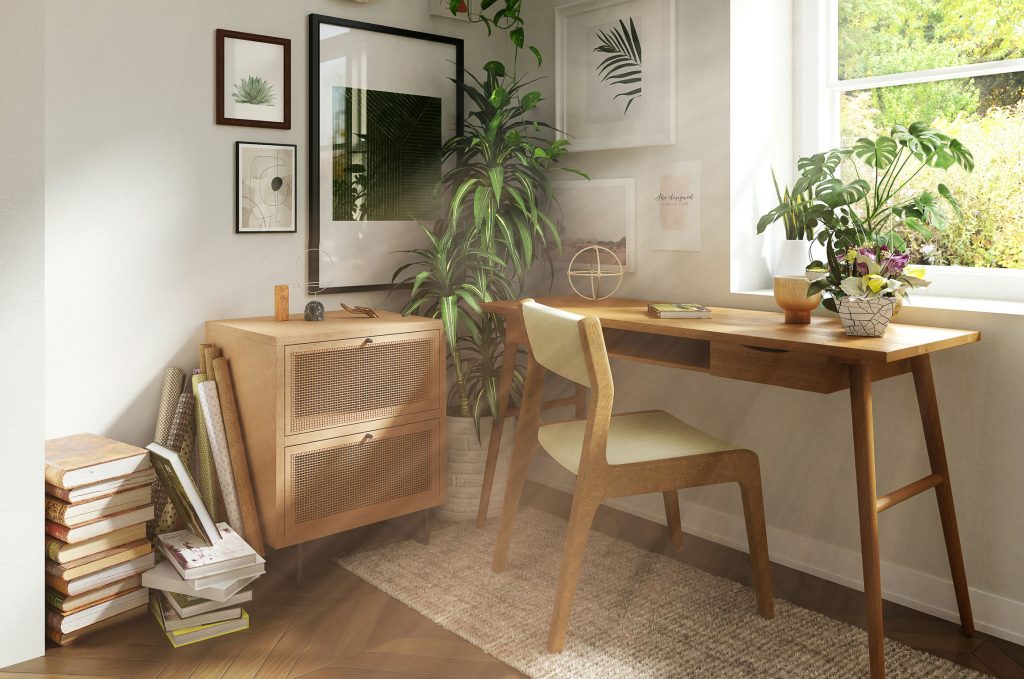
Light and Proportion Matter More Than Accessories
Light shifts throughout the day, altering how color and texture appear. Thoughtful window treatments, layered lighting, and attention to glare influence how the room feels in motion.
Often, adjustments to proportion and light carry more impact than adding new décor. Rearranging furniture to allow for better flow or adjusting lamp placement can change the mood of a space without introducing additional elements.
Subtle refinements tend to create the strongest effect.
Where This Connects to Selling
A home first serves the life happening within it. When that service feels natural, the environment tends to feel inviting without effort.
Interestingly, many of the same principles that create authenticity in everyday living also influence how a home is perceived when preparing for the market. The foundation remains consistent, but the intention behind presentation shifts.
For a closer look at how decorating differs from preparing a home to sell, The Difference Between Decorating and Preparing a Home to Sell explores that distinction in more detail.